


The Byzantine Empire, heir to the rich cultural tradition of the Roman Empire, left a considerable legacy in many areas, including the arts, religion, politics, and, surprisingly, gambling. Although the earliest forms of gambling in the region dated back to Roman times, it was under Byzantine rule that certain practices and structures of play gained cultural relevance, later influencing the development of gambling in Europe during the Middle Ages and beyond.
In this article, we will explore how the gaming traditions of the Byzantine Empire shaped the culture of gambling in Europe, setting trends that would endure for centuries.
In the Byzantine Empire, gambling was present in many aspects of daily life. Although at times the Church, particularly during the High Middle Ages, attempted to suppress it as a morally questionable activity, betting and games of chance remained an important part of popular culture. At the height of Byzantium, gambling was enjoyed by both the upper classes and the lower classes. Citizens engaged in various forms of entertainment, such as horse racing, dice, and wagering.
One of the most popular forms of gambling in Byzantium was dice. This game was not only part of citizens’ leisure but also a social activity that transcended class boundaries. Dice, known in Greek as kýboi (κύβοι), were central to betting and were played in markets, homes, and often in the streets. The act of throwing dice was associated with luck, a concept that would remain significant in European cultures throughout the centuries.
Over time, the rules and variations of dice games evolved, but the essence remained the same. This simple yet addictive form of play spread beyond the Byzantine Empire and was quickly embraced by medieval European cultures, where it became even more popular.
The relationship between the Byzantine Church and gambling was ambiguous. On the one hand, Christian morality condemned wagering and excessive gambling, but on the other, gambling was deeply embedded in daily Byzantine life, from religious celebrations to festivals. Despite ecclesiastical condemnation, gambling remained a pastime for members of the imperial court, the nobility, and often the soldiers. There were even informal “gambling houses” where regular players gathered in private or semi-clandestine spaces, away from church control.
One of the greatest legacies of this empire in gambling culture was the introduction of horse racing and the betting associated with it. The Hippodrome of Constantinople, where these competitions took place, was one of the most important entertainment centers in Byzantium. Beyond being a place of spectacle, it was also a hub for wagering. Citizens bet large sums of money on racing teams, and betting extended to other public events, such as gladiator fights or animal combats.
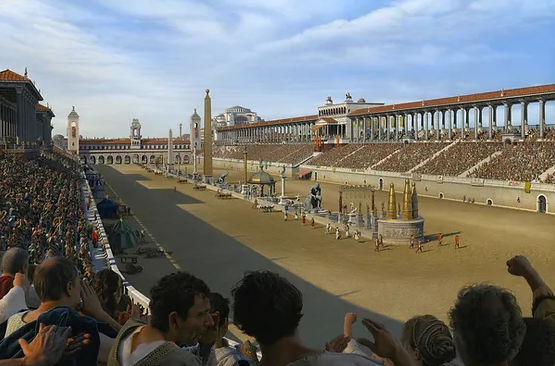
These types of bets and public games, tied to mass spectacles, had a major influence on European gambling culture. While horse racing was not exclusive to Byzantium, the emphasis on large-scale betting during these events spread to Western Europe, particularly in places like Rome, and later throughout medieval Europe. The earliest forms of what we now know as racetracks or horse racing circuits were inspired by the Byzantine tradition.
Although the fall of the Byzantine Empire in 1453 marked the end of its political and military dominance, its cultural influence endured long after. Byzantine customs, art, and traditions blended with those of Western Europe, especially during the Renaissance and the Middle Ages. Gambling practices from Byzantium continued to evolve in Europe, and the legacy of dice, betting on sporting events, and public competitions shaped the gambling culture that persists today.
In conclusion, gambling in the Byzantine Empire had a profound impact on the evolution of gambling culture in Europe, leaving an indelible mark on the history of entertainment. From dice to horse racing and public spectacles, it helped shape many of the practices we now associate with casinos and gambling halls.